If you skipped your home inspections during the pandemic frenzy just to get into a house, you already know how that story can end. Surprises. Big ones. The kind that cost thousands of dollars and a lot of sleep.
As you navigate the world of home inspections, understanding the process can save you from costly surprises.
Home inspections are vital for ensuring you’re making a sound investment in any property.
Regular home inspections help you avoid unexpected repairs down the line.
Inspections are one of the most powerful tools in any real estate transaction. Yet most buyers and sellers either skip them, misunderstand them, or do not know how to use the information once they have it.
Understanding home inspections is crucial for making informed decisions.
Understanding the nuances of home inspections can empower you as a buyer or seller.
Home inspections reveal critical information about a property’s condition.
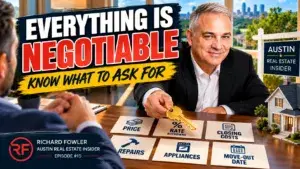
In this week’s episode of Jeff and Richard Talk Real Estate, we broke down the entire inspection process from start to finish. Watch the full conversation here:
It is essential to consider all aspects of home inspections before proceeding with a purchase.
Here is everything you need to know about home inspections.
Home inspections are a crucial step in the buying process.
Buyers should always prioritize home inspections for peace of mind.
Importance of Home Inspections for Buyers and Sellers
Pre-list home inspections can help sellers avoid surprises.
Why You Need an Inspection (Even If You Think You Don’t)
Understanding the results of home inspections allows for informed negotiations.
The core reason is simple. You need to know what you are buying.
It does not matter how well a seller thinks they know their house. You are not an HVAC expert. You are not a water heater expert. You are not a foundation specialist. Sellers mean well, but there are things happening inside walls, under roofs, and beneath slabs that nobody knows about until someone with the right training goes looking.
During the pandemic, buyers were waiving inspections left and right just to get a deal done. Some of those buyers are still dealing with the consequences. The goal of every transaction should be to walk away knowing exactly what you got. An inspection is how you get there.
There is also the matter of a CLUE Report. During the option period, I always advise buyers to have their insurance company pull one. A CLUE Report shows any prior insurance claims filed on the property, including fires, floods, and water damage. You would be shocked what turns up on a property that looks perfect on the surface. This runs alongside the inspection and gives you a much more complete picture of the home’s history.
The Case for Pre-List Inspections (Sellers, This One Is for You)
I started recommending pre-list inspections years ago after going through one on my own home. My initial reaction was the same as most sellers: why would I pay to inspect my house only to have the buyer inspect it again and then fix everything on both lists?
Here is why it actually works in your favor.
When you know the condition of your home before it hits the market, you control the narrative. You can price it accurately. You can position it as move-in ready. And when the buyer’s inspection comes back, you are not reacting from a place of surprise. You already know what is there.
There is also a psychological element at play. Buyers like to feel like they won something. If you have already identified a minor issue and you were planning to fix it anyway, sometimes the smarter move is to leave it on the table and let them ask for it. They get their win. You get your deal. Everybody walks away feeling good about it.
In a market like Central Texas right now, homes that are prepped, inspected, and priced correctly are the ones selling. The ones that are not are sitting. It really is that simple.
What Actually Happens During an Inspection
When you hire an inspector, give them space to work. My standard advice to buyer clients is to show up for the last 30 minutes rather than following the inspector around for three or four hours. When you shadow them the whole time, you interrupt their process and things get missed.
Show up at the end. Let the inspector walk you through what they found in person. A visual explanation is worth more than any written report. When they can point to the issue and say “this is what I’m talking about,” it makes the report make sense in a way that reading it alone never quite does.
I also attend the final walkthrough myself. I know a lot of realtors avoid this, but I want to understand exactly what we are negotiating. If I do not understand the report, I cannot explain it to my clients or negotiate effectively on their behalf. I have seen deals fall apart over a “corner pop” on a foundation that was completely cosmetic. A realtor who does not understand that distinction cannot explain it, and a nervous buyer will walk.
As for what to address in the report: focus on the big systems first. Roof, HVAC, water heater, electrical, plumbing. Those are the items buyers look at, lenders care about, and insurance companies ask questions about. Minor items are negotiating points. Major system failures are deal-makers or deal-breakers.
Relying on detailed home inspections can save you money in the long run.
Ensuring thorough home inspections can protect your investment.
New Construction? You Still Need Inspections. Four of Them.
A lot of buyers assume a brand-new home does not need to be inspected. Builders have their own inspectors. Permits are pulled. Code compliance is required. Why spend extra money?
Because code inspectors and third-party inspectors are looking for different things, and a third-party report protects you in ways a builder’s inspection never will.
Here is the phased inspection process I recommend for new construction:
Pre-Foundation: Before they pour the slab, a foundation inspection confirms everything is correctly set up. On the west side of Austin, where we are building on solid rock, this is less of a concern. On the east side where the soil moves more, it matters a lot more.
Pre-Drywall: This is the most important one. Before the walls close up, an inspector can see every inch of your plumbing rough, your electrical rough, and your framing. I have walked million-dollar homes under construction and seen framing that made neither me nor my client feel good. Once drywall goes up, you will never see it again. This is your one chance.
Pre-Close: Two to three weeks before closing, an inspector does a final sweep to catch anything that needs to be addressed before you sign. You would be surprised how often things like backwards HVAC installations show up at this stage.
Home inspections are a small price to pay for knowledge and security.
Post-Close at 10 Months: This one happens about two months before your builder warranty expires. Anything that has developed over your first year of living in the home gets documented and submitted to the builder. Get it fixed while the warranty still applies.
For any questions regarding home inspections, reach out to a professional.
Catch more insights on home inspections in our YouTube series.
Four inspections sounds like a lot. The protection it provides is worth every penny.
When an Inspector Misses Something
It happens. Inspectors are human. No report catches everything.
When something significant gets missed, the conversations start. Every inspector, realtor, and lender carries errors and omissions insurance for exactly this reason. Nobody is perfect, and the coverage exists to protect everyone involved.
In most cases, the process starts with a direct conversation. How big was the miss? How much harm resulted? Is this something the inspector will credit back, or does it need to go further? Nobody wants litigation. Mediation usually comes before lawsuits. But the insurance exists and it does get used when it needs to.
This is also exactly why multiple layers of protection matter. A pre-list inspection, a buyer’s inspection, proper seller disclosures, and a CLUE Report all work together. If something slips through one layer, the others often catch it or at least document that reasonable efforts were made.

The Bottom Line
For somewhere in the range of $500, you can go into the most significant financial transaction of your life with real information instead of hope. That $500 gives you negotiating power. It gives you pricing leverage. It gives you the ability to walk away cleanly if something serious comes up.
Skipping it to save a few hundred dollars and then discovering a $15,000 HVAC problem after closing is not a trade worth making.
If you have questions about the inspection process, pre-list strategy, or buying or selling a home in the Central Texas market, reach out directly. I am happy to walk through it with you.
And make sure you catch the full conversation on YouTube: https://youtu.be/n0q7TRBZtic
Subscribe to the channel and hit the notification bell so you never miss an episode.
Richard Fowler | Compass Realty | Central Texas